


SaaS branding determines how users understand, trust, and choose your product in a crowded market.
When users don’t understand your product within seconds, they leave. Strong branding ensures clarity, builds trust, and attracts the right customers.
In SaaS, branding isn’t just design; it’s a core growth driver that influences every stage of the saas customer journey.
This blog explains what SaaS branding is, why it directly impacts conversion and retention, and how to build a brand that clearly communicates value from the first interaction.
What is SaaS Branding?
SaaS branding is the strategic process of defining and communicating how your software is perceived, understood, and trusted by your target users across every touchpoint.
It goes beyond visual identity to include positioning, messaging, tone, product experience, and value communication. SaaS branding ensures users quickly understand what your product does, who it’s for, and why it matters.
A strong SaaS brand reduces confusion, improves conversion, and drives long-term retention by making your product easy to understand and reliable to adopt.
Why is SaaS branding important in a highly competitive market?
In a crowded SaaS market, users have multiple options offering similar features. Strong branding helps your product stand out, builds trust faster, and makes it easier for customers to choose you over competitors, a key step toward achieving product-market fit.
According to HubSpot, Today’s consumers demand authenticity, with 88% saying it’s important (and 50% saying it’s very important) when deciding which brands to like and support.”
This highlights how crucial authentic branding is in influencing user decisions in SaaS.
Here’s why SaaS branding matters in a competitive market:
- Differentiates your product: Clear positioning helps you stand out in a saturated market
- Builds trust quickly: Consistent branding makes your product feel reliable and credible
- Improves conversions: Users are more likely to choose a brand they understand
- Supports retention: A strong brand creates familiarity and long-term loyalty
- Reduces acquisition cost: Better branding lowers dependency on paid channels
What’s the difference between SaaS branding and SaaS marketing?
SaaS branding defines how your product is perceived and remembered: it focuses on identity, positioning, and trust.
SaaS marketing drives traffic, leads, and conversions: it focuses on campaigns, channels, and measurable growth.
Here’s the key difference between SaaS branding and SaaS marketing:
| Aspect | SaaS Branding | SaaS Marketing |
| Purpose | Defines how your product is perceived | Drives traffic, leads, and conversions |
| Focus | Long-term identity and trust | Short-term growth and acquisition |
| Core elements | Positioning, messaging, visual identity, voice | SEO, ads, content, email campaigns |
| Goal | Build recognition and loyalty | Generate demand and sales |
| Timeframe | Long-term and ongoing | Short to mid-term campaigns |
| Example | How Notion is perceived as a flexible workspace | How HubSpot uses blogs, SEO, and email to generate leads |
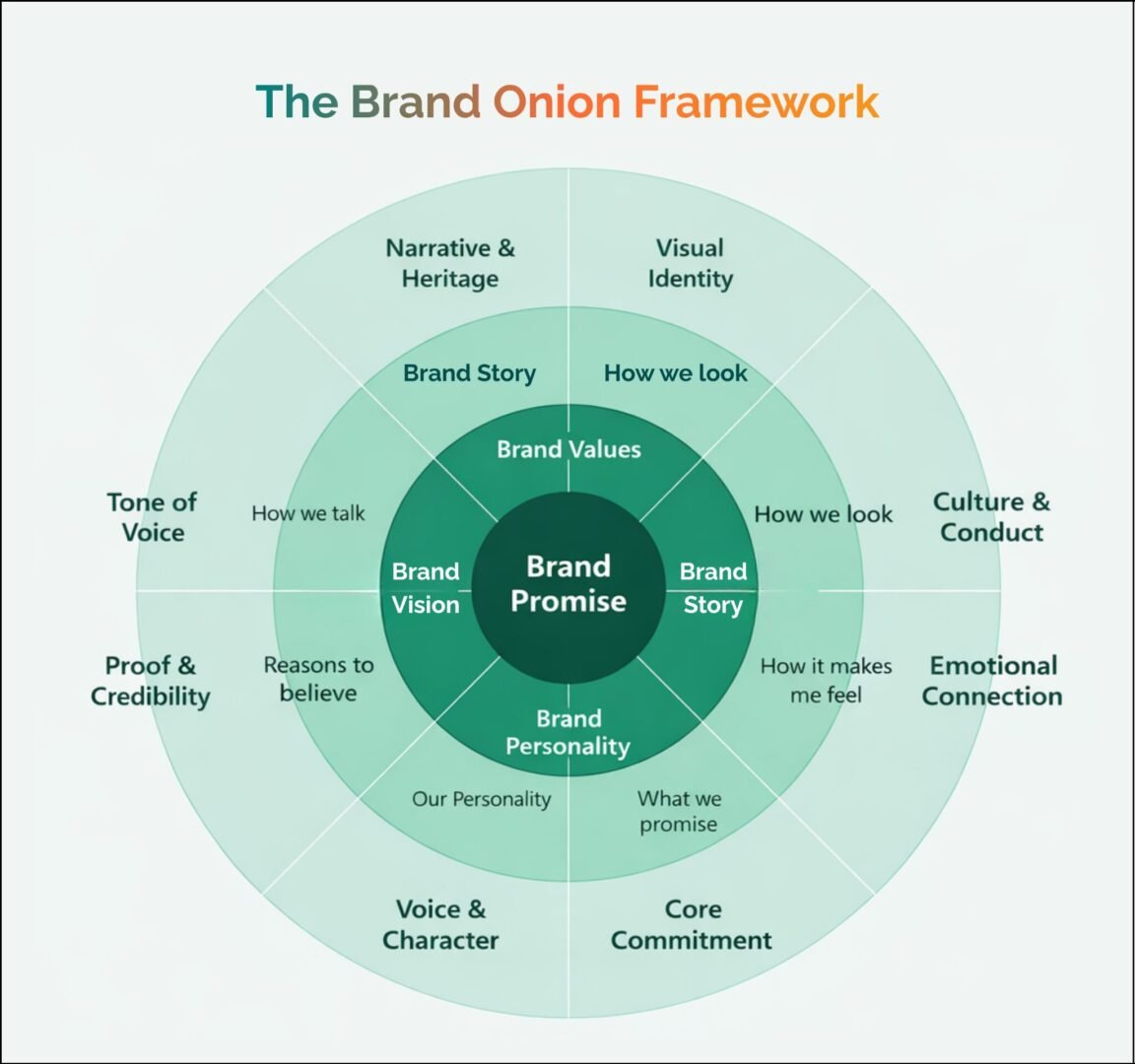
What are the Core Elements of an Effective SaaS Branding?
Building a strong SaaS brand is not about design alone. It’s about how clearly your product communicates value, connects with the right audience, and delivers a consistent experience across every touchpoint.
Here’s our SaaS Brand Clarity 8 Layers Framework:
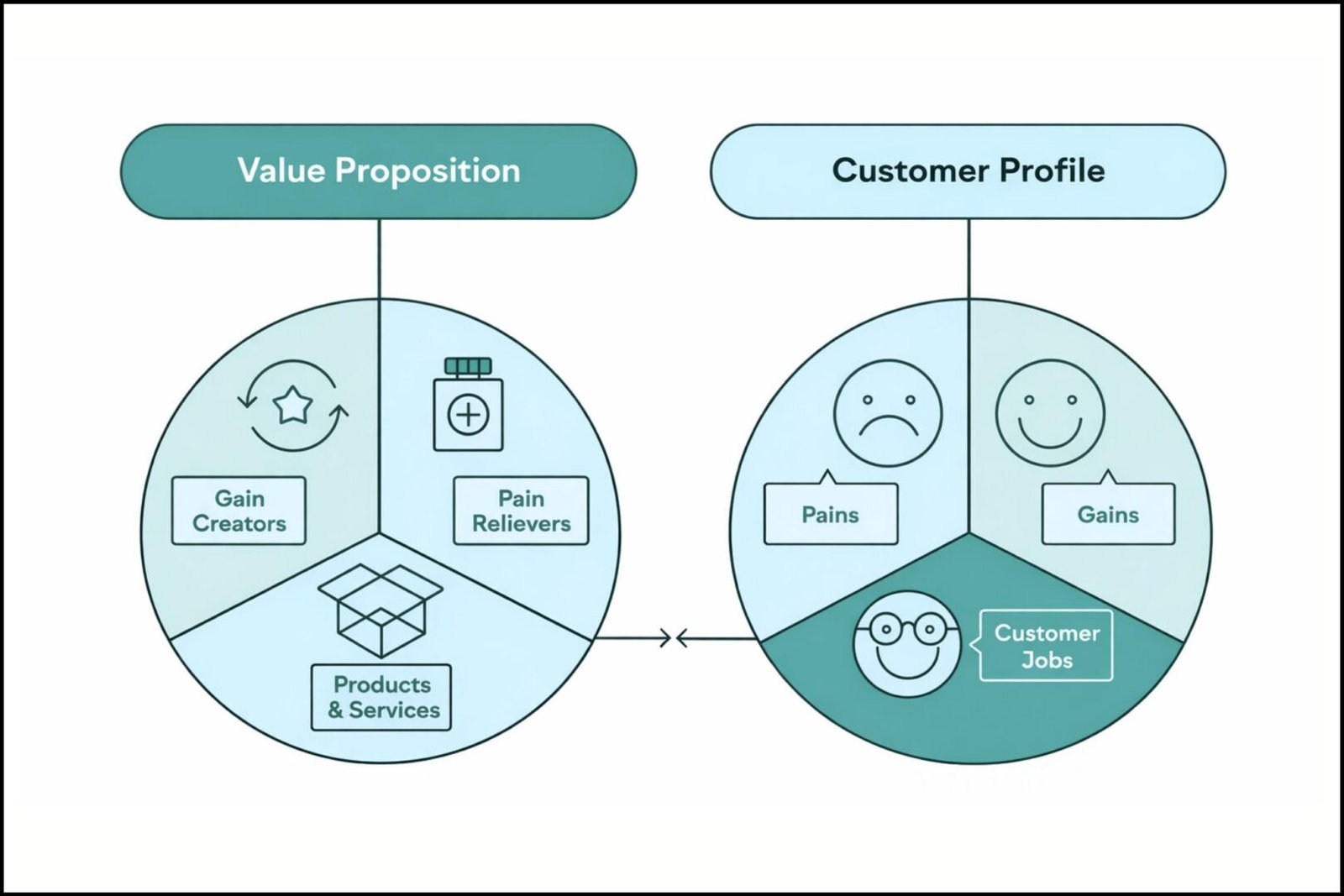
1. Value Proposition
Your value proposition is the entry point to your entire growth system. It determines whether users move forward or drop off within seconds.
In SaaS, users are not evaluating your product. They are evaluating whether it is worth their time. If your value is unclear, they never reach onboarding.
To build a strong value proposition, follow this structure:
- Identify the highest-value problem your best customers pay to solve
- Define the exact outcome your product delivers
- Remove all secondary use cases from your primary message
Then apply it across:
- Homepage hero section
- Paid landing pages
- First onboarding screen
You should rewrite your headline until it answers:
- Who is this for
- What problem it solves
- What outcome it delivers
Show your homepage to a new user for 5 seconds. Ask them what the product does. If they hesitate, your value proposition is weak.
What to track:
- Visitor-to-signup conversion rate
- Bounce rate on homepage
Users form first impressions in 50 milliseconds, which makes immediate clarity critical.
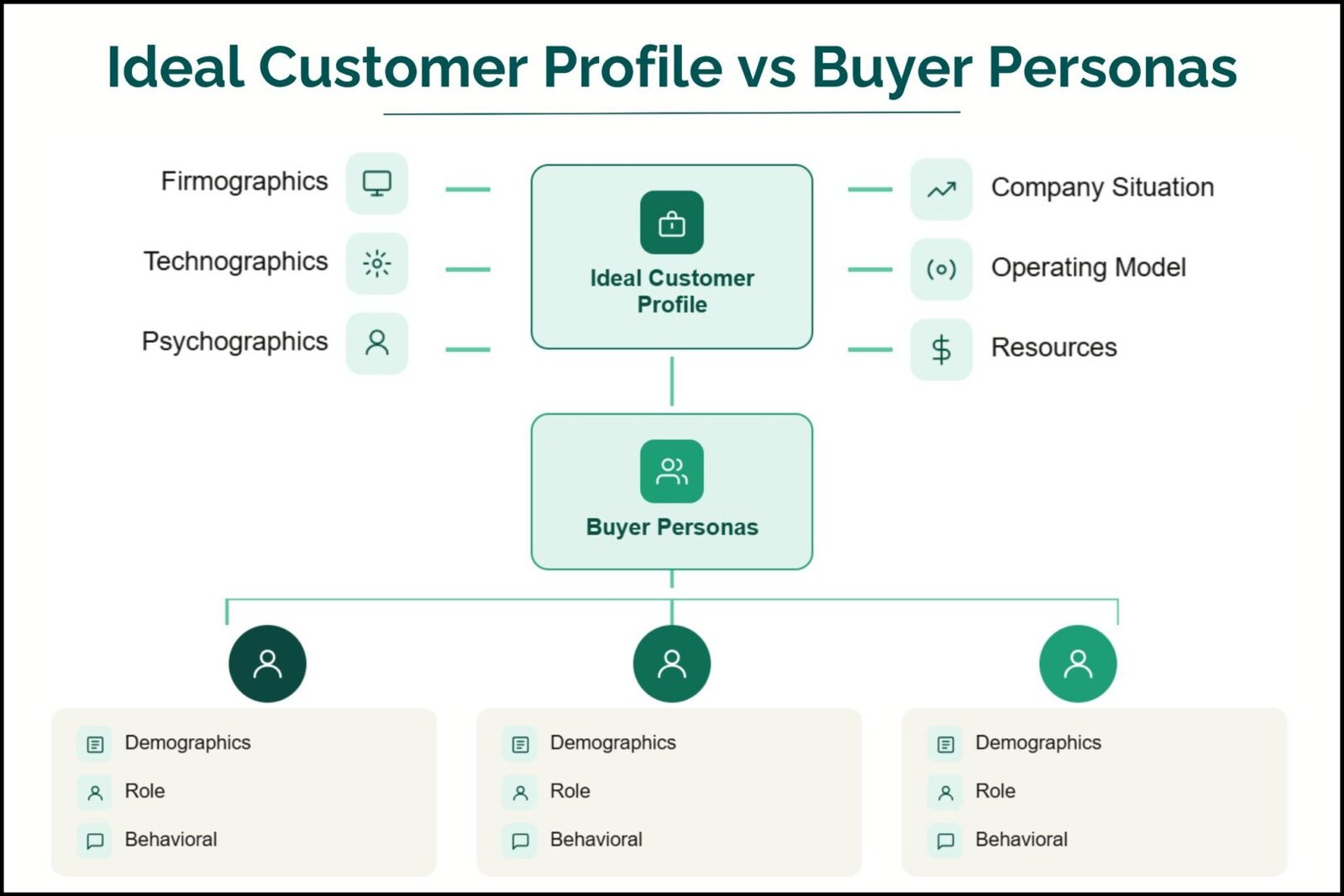
2. Ideal Customer Profile
Your ICP defines who your product is optimized for. If this is unclear, everything else breaks. You attract the wrong users, increase CAC, and struggle with retention.
Most SaaS companies define ICP based on assumptions. You should define it based on retention data.
To build a strong ICP:
- Identify users with highest retention and expansion
- Analyze their industry, team size, and use case
- Understand their buying trigger and urgency
Then align:
- Messaging
- Feature prioritization
- Onboarding flows
You should eliminate edge cases from your core positioning. A focused ICP increases both conversion and retention.
If your homepage tries to speak to multiple audiences, your ICP is not defined.
What to track:
- CAC by segment
- Retention rate by segment
- LTV per segment
3. Brand Positioning
Positioning defines how you compete. Without it, you compete on features or price, which reduces margins and slows growth.
Strong positioning answers one question clearly:
Why should a user choose you instead of alternatives?
To build positioning:
- Identify the alternative users currently using
- Define what you do differently
- Anchor your product in a clear category
Avoid vague positioning. Instead, create a clear mental shortcut for users.
Positioning formula:
For [specific audience], we provide [specific outcome] by [unique approach], unlike [alternative].
Apply this consistently across:
- Homepage
- Sales narrative
- Product messaging
If users compare you with multiple unrelated competitors, your positioning is weak.
What to track:
- Win rate
- Sales cycle duration
- Pricing objections

4. Brand Personality
Brand personality influences how users experience your product emotionally. In SaaS, perception directly affects usability.
If your product feels complex, users hesitate. If it feels approachable, they engage faster.
To implement this:
- Define tone based on audience expertise
- Simplify language for complex features
- Apply tone consistently across UI, emails, and support
Your personality should reduce friction, not add style.
If your UI sounds different from your website or emails, your personality is inconsistent.
What to track:
- Onboarding completion rate
- Support tickets related to confusion
- User feedback on clarity
38% of users leave if the content or layout is confusing or unattractive.

5. Visual Brand Identity
Visual identity creates the first layer of trust. In SaaS, users judge reliability before using your product.
Design signals quality. Poor design signals risk.
To implement this:
- Build a consistent design system
- Focus on clarity and hierarchy
- Align website and product UI
Design should guide users toward action, not distract them.
If users struggle to navigate or hesitate before actions, your design creates friction.
What to track:
- Conversion rate on landing pages
- Drop-off during onboarding
- Time to complete key actions
One study shows that 75% of users judge credibility based on website design.

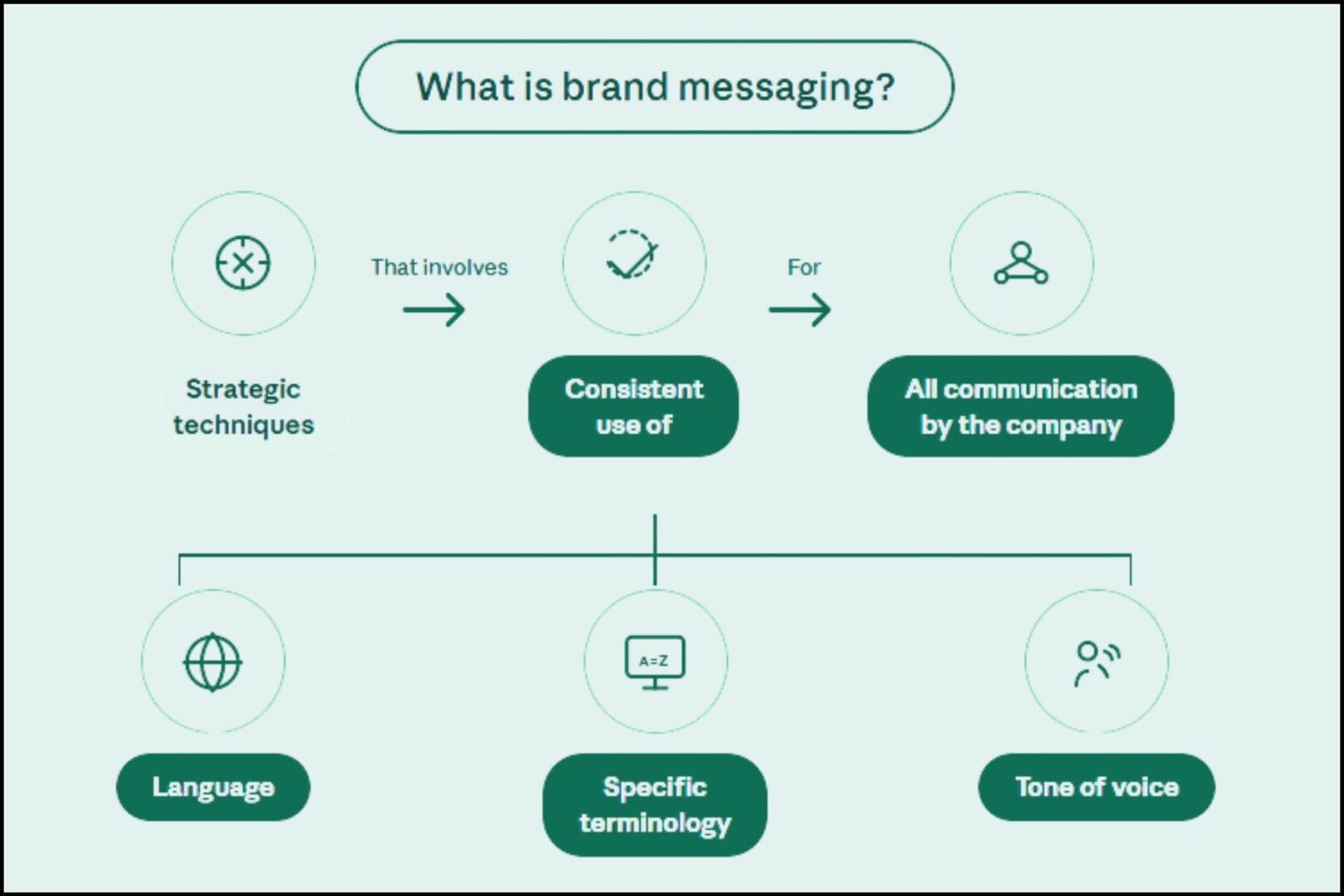
6. Consistent Messaging
Messaging consistency ensures users receive the same value communication across all stages. Inconsistency creates doubt.
Users move across multiple touchpoints before converting. If messaging changes, trust breaks.
To implement this:
- Define a messaging system with core value and benefits
- Align website, ads, onboarding, and emails
- Ensure product experience matches promises
If users sign up but do not engage, your messaging and product experience are misaligned.
What to track:
- Conversion between marketing funnel stages
- Activation rate
- Engagement across channels
Consistent branding increases revenue by up to 23%.
7. Social Proof
SaaS decisions involve risk. Users rely on proof to validate your claims.
Without proof, users delay or avoid commitment.
To implement this:
- Use testimonials with measurable outcomes
- Add case studies with before-after results
- Place proof near pricing and signup points
Focus on evidence, not praise.
Execution checkpoint:
If users hesitate at pricing or signup, lack of trust is likely the issue.
What to track:
- Trial-to-paid conversion rate
- Conversion on pricing pages
- Engagement with case studies
According to Nielsen, 92% of users trust recommendations from people they know.
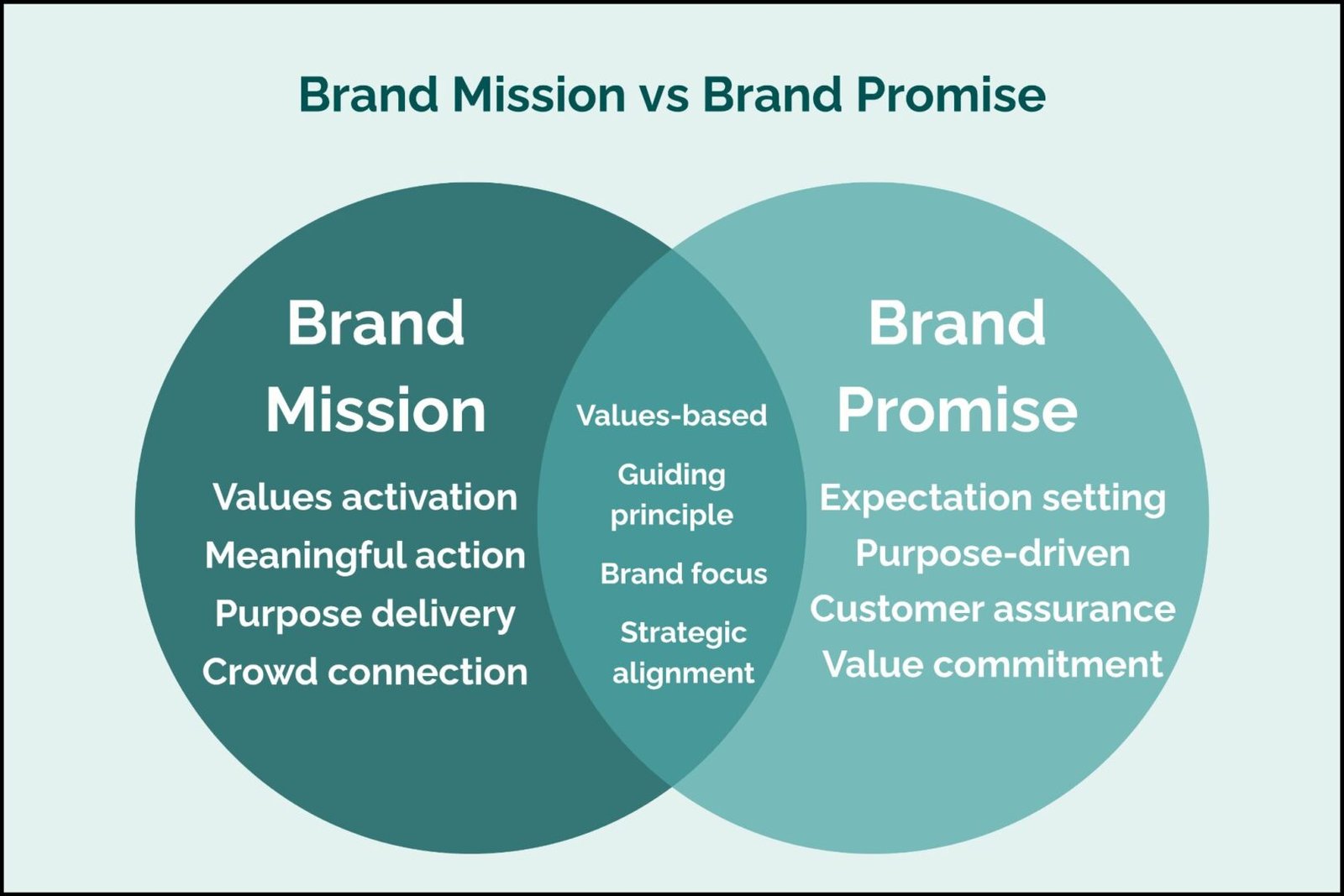
8. Brand Mission
Your mission defines why your product exists beyond functionality. It shapes long-term perception and emotional connection.
In SaaS, mission-driven brands create stronger retention because users align with the purpose.
To implement this:
- Define a clear problem and impact
- Align product, messaging, and experience with it
- Reinforce it across touchpoints
Your mission should guide decisions, not just messaging.
If your product evolves but your messaging does not, your mission is disconnected.
What to track:
- Retention rate
- Brand recall
- Customer advocacy
Purpose-driven companies grow 3 times faster on average.
What are the most common SaaS branding mistakes to avoid?
Even strong SaaS products struggle when branding is unclear or inconsistent. Avoiding these common mistakes can help you build a brand that actually drives trust, conversions, and retention.
Copying competitors instead of differentiating
Many SaaS companies look at competitors and try to sound similar. This leads to generic messaging that blends in instead of standing out.
When every brand uses the same phrases like “all-in-one platform” or “easy solution,” users can’t tell the difference.
For example, instead of copying tools like Slack or Microsoft Teams, define:
- Your unique use case
- Your specific audience
- Your clear advantage
If your homepage could belong to a competitor, your positioning needs work.
Overcomplicating the value proposition
A complex value proposition confuses users and increases drop-offs.
SaaS brands often try to:
- Mention too many features at once
- Use technical or vague language
- Target multiple audiences in one message
Instead, clarity wins.
For example, Zoom keeps it simple, fast, and reliable video communication without overwhelming users.
Focus on one core problem and one clear outcome.
Using inconsistent messaging across different channels
If your website says one thing, ads say another, and onboarding feels different, users lose trust.
Common issues include:
- Different tone of voice across platforms
- Misaligned product and marketing messaging
- Confusing promises vs actual experience
For example, HubSpot maintains consistent messaging across its website, emails, and product experience, reinforcing its core positioning.
Weak visual brand identity elements on the website
Your website is often the first interaction users have with your brand. A weak visual identity can reduce credibility instantly.
Common problems:
- Generic design templates
- Inconsistent colors and fonts
- Poor UI/UX structure
In contrast, Stripe uses clean layouts and consistent design to build trust and clarity.
Strong design is not about decoration; it’s about clarity and usability.
Lack of proof, such as case studies or testimonials
Users don’t just trust what you say; they trust what others say about you.
Without proof, your claims feel unverified.
Important trust signals include:
- Customer testimonials
- Case studies with real results
- Reviews on platforms like G2
- Client logos and usage stats
For example, Shopify regularly highlights success stories to reinforce credibility.
Treating branding as a one-time activity
Branding is not something you “finish” once and forget.
SaaS companies often:
- Set branding during launch and never update it
- Ignore feedback from users
- Fail to evolve messaging as the product grows
Strong brands continuously refine:
- Positioning
- Messaging
- Visual identity
- Customer experience
For example, Notion has evolved its branding as it expanded from note-taking to a full workspace platform.
Revisit your branding every 6–12 months based on product changes and customer insights.
Avoiding these mistakes helps you build a SaaS brand that is clear, credible, and easy to trust, which directly impacts conversions and long-term growth.

What key metrics should you track to measure SaaS brand performance?
To understand if your SaaS branding is working, you need to track metrics that reflect visibility, conversions, trust, and retention.
These metrics help you see whether your brand is attracting the right audience and creating long-term value.
Start with brand awareness metrics, which show how visible your brand is:
- Brand awareness: Branded search volume, direct traffic
- Acquisition: Conversion rate, Customer Acquisition Cost (CAC)
- Engagement: Time on site, onboarding activity
- Retention: Churn rate, Customer Lifetime Value (LTV)
- Perception: Reviews and ratings on platforms like G2
These metrics help you understand if your branding is attracting, converting, and retaining the right customers.
Inspiring SaaS Branding Examples and Their Framework
Looking at successful SaaS brands helps you understand how strong branding works in real scenarios.
The strongest brands don’t try to say everything; they focus on one clear message and repeat it consistently.
These companies stand out because they combine clear positioning, simple messaging, and consistent experience:
Linktree
Linktree built its brand around a simple and specific use case: sharing multiple links through one profile.
Branding framework:
- Positioning: “One link for everything.”
- Target audience: Creators, influencers, and small businesses
- Strength: Simplicity and instant usability
- Messaging style: Clear, benefit-driven, and easy to understand
Linktree’s success comes from solving one clear problem without overcomplicating the product or messaging.
Notion
Notion is a strong example of flexible positioning with a clear core idea.
Branding framework:
- Positioning: All-in-one workspace for notes, docs, and collaboration
- Target audience: Knowledge workers, startups, and teams
- Strength: Customization and flexibility
- Messaging style: Minimal, clean, and user-focused
Notion balances flexibility with clarity, making a complex product feel simple and approachable.
Slack
Slack stands out with its strong personality and clear value proposition.
Branding framework:
- Positioning: Faster and simpler team communication
- Target audience: Teams and businesses of all sizes
- Strength: Ease of use and integrations
- Messaging style: Friendly, conversational, and human
Slack’s consistent tone and clear messaging make it easy for users to understand and adopt the product quickly.
Airtable
Airtable uses strong positioning to define a new category.
Branding framework:
- Positioning: A flexible platform combining spreadsheets and databases
- Target audience: Teams managing workflows and data
- Strength: Visual structure with powerful functionality
- Messaging style: Clear, structured, and use-case driven
Airtable succeeds by clearly showing how it’s different, helping users quickly see its value compared to traditional tools.
These examples show that effective SaaS branding is built on clarity, differentiation, and consistency, not complexity.
Conclusion
SaaS branding is not just about visuals or catchy taglines. It’s about how clearly your product communicates value, builds trust, and creates a consistent experience across every touchpoint.
A strong SaaS brand helps you:
- Stand out in a crowded market
- Attract the right customers
- Improve conversions and onboarding
- Build long-term retention and loyalty
If your branding is clear, consistent, and focused on real user problems, it becomes a growth driver, not just a visual layer.
FAQs
1. How long does it take to build a strong SaaS brand?
It typically takes 3 to 6 months to build a strong foundation, including positioning, messaging, and visual identity. However, branding is an ongoing process that evolves as your product and market change.
2. What are the early signs that your SaaS branding is not working?
Common signs include low conversion rates, unclear messaging, and high churn after signup. If users don’t understand your value quickly or compare you directly with competitors, your branding needs improvement.
3. How much should a SaaS startup invest in branding?
Most SaaS startups invest around 10–20% of their marketing budget in branding during the early stages. The focus should be on clear messaging, consistent design, and strong positioning rather than high spending.
4. Can a SaaS company succeed without strong branding?
A SaaS company may grow in the short term without strong branding, especially with paid acquisition. However, long-term growth becomes difficult due to weak differentiation, higher costs, and lower customer trust.
5. When should a SaaS company consider rebranding?
A SaaS company should consider rebranding when its current brand no longer reflects its product, audience, or market positioning. This often happens after major product changes, entering a new market, or struggling with differentiation.