


Ranking well on search engines isn’t just about great writing; it’s about great direction. That direction starts long before the first draft, inside a clear and well-structured SEO content brief.
Without one, writers guess the angle, miss key points, and struggle to match search intent. The result? Endless revisions and content that never reach their full potential.
A strong SEO content brief fixes that. It tells the writer exactly what matters: the primary keyword, the audience’s expectations, the questions the article must answer, and the structure that will help it rank.
It works best alongside a defined SaaS content strategy that maps your audience, funnel stages, and topics.
It keeps teams aligned, removes unclear strategy, and ensures every piece of content supports real business goals.
If you want content that’s consistent, search-focused, and ready to perform from day one, it all begins with a smart, strategic brief. Here’s what makes it so important.
What is an SEO content brief?
An SEO content brief is a structured document that guides writers on how to create content that ranks well on search engines.
It includes details like the main keyword, search intent, target audience, outline, internal links, and key points that must be covered.
The goal is to ensure every piece of content is aligned with SEO requirements before writing starts.
That means getting the on-page SEO fundamentals keywords, intent, structure, and metadata right from the start.

Quick insights:
Google’s “helpful content” guidance stresses that ranking favors content created to help people (not just to rank). That’s why aligning content to user intent in the brief is essential.
Why it matters for content writers, SEO teams, and brands
- Gives writers a clear direction so they don’t miss important points
- Helps SEO teams ensure content targets the right keywords and user intent
- Keeps brand messaging consistent across all content
- Speeds up approvals because everyone follows the same structure
When briefs are aligned with performance tracking, teams can better measure outcomes using insights tied to real SEO ranking factors rather than assumptions.
Why an SEO content brief is important
An SEO content brief helps teams create clear, consistent, and search-focused content. It reduces guesswork, aligns everyone involved, and speeds up the entire production process.
It also sets the right expectations from day one. Writers know the angle, SEO teams know the keyword strategy, and brands get content that supports their goals without unnecessary revisions.

Helpful Note:
HubSpot found that optimizing content based on intent and structure more than doubled monthly leads from older posts, showing how strategic alignment directly boosts performance.
- Ensures consistent messaging by keeping tone, structure, and brand voice uniform
- Reduces revision time because writers know exactly what to include
- Helps target the right keywords and search intent for better rankings
- Aligns writers, designers, and SEO teams so everyone works in the same direction
Key elements of a strong SEO content brief
A well-structured SEO brief includes specific details that guide the writer, strengthen search relevance, and ensure the content fully satisfies user intent.
1. Target keyword + Secondary keywords
A strong SEO content brief always starts with the primary keyword and a set of supporting keywords. These help guide the overall direction of the content and ensure the piece is optimised for search intent while still sounding natural.

A solid brief often builds on deeper keyword insights, which is why teams frequently combine it with structured research methods like topic-based keyword research to ensure full topical coverage.
Primary keyword placement
- Include the main keyword in the title, H1, intro, and conclusion
- Add it naturally in key sections (H2s/H3s) without overusing it
- Make sure the keyword fits the context of the topic and solves the reader’s intent
Supporting keywords for context
- Use related terms and long-tail variations throughout the content
- Help search engines understand the depth and coverage of the topic
- Improve chances of ranking for multiple related queries
- Add variety to the content so it reads smoothly and feels more complete
Example: Supporting keywords may include “content brief checklist,” “SEO writing guidelines,” “how to structure a brief,” or “keyword mapping.”
2. Search intent breakdown
Understanding the search intent behind your target keyword helps shape the structure, depth, and tone of the content. It ensures your article answers what users are actually looking for when they type that query.
If you’re unsure how to classify intent accurately, tools and workflows like filtering keywords by search intent help align content structure with what users actually expect.

Informational / Transactional / Navigational
- Informational: Users want answers, explanations, tips, or how-to guides.
- Transactional: Users are close to buying or comparing solutions (e.g., services, tools, pricing).
- Navigational: Users want to reach a specific website, brand page, or platform.
What readers expect from the content
- Clear and direct answers to their questions
- Content that matches their stage in the journey (learning, comparing, or deciding)
- Smooth flow with accurate, trustworthy information
- Actionable insights or steps they can follow
- A satisfying and complete explanation that doesn’t leave gaps
Example: Someone searching “SEO content brief example” expects a real, structured sample, not just theory.
3. Audience details
Knowing exactly who the content is for helps shape the tone, depth, and examples used in the final piece. When the audience is clearly defined, writers can customize the message to match real needs and expectations.

Who the content is for
- Define the target reader (beginner, expert, buyer, researcher, etc.)
- Identify their industry, role, or level of knowledge
- Understand what motivates them to search for this topic
Pain points, goals, and preferences
- What problems do they want solved
- What outcome or information do they expect from the content
- How they prefer information delivered (simple steps, detailed guides, comparisons, etc.)
Example: A marketing manager may want a quick checklist, while a writer might prefer a step-by-step walkthrough.
4. Content angle & goal
This part of the brief sets the direction for the writer. It explains how the topic should be approached and what the content should achieve once published.

Unique point of view
- What perspective should the content focus on
- How it will differ from competing articles
- Any brand-specific stance or expertise to highlight
Desired outcome of the content
- What the reader should walk away with
- What action should the reader take next
- How the content supports overall SEO or marketing goals
Example: After reading the article, the reader should understand how to build a complete brief and be ready to create one for their next project.
5. Suggested title & H1
This section provides a clear, keyword-focused title direction for the writer. It helps set the angle of the article and defines the main topic at a glance.

- Make the title natural, simple, and aligned with search intent
- Include the primary keyword once
- Keep it clear instead of forcing creativity
Example:
Suggested Title: “How to Create an SEO Content Brief (With Template)”
H1: SEO Content Brief: Definition, Key Elements, and Template
6. Word count range
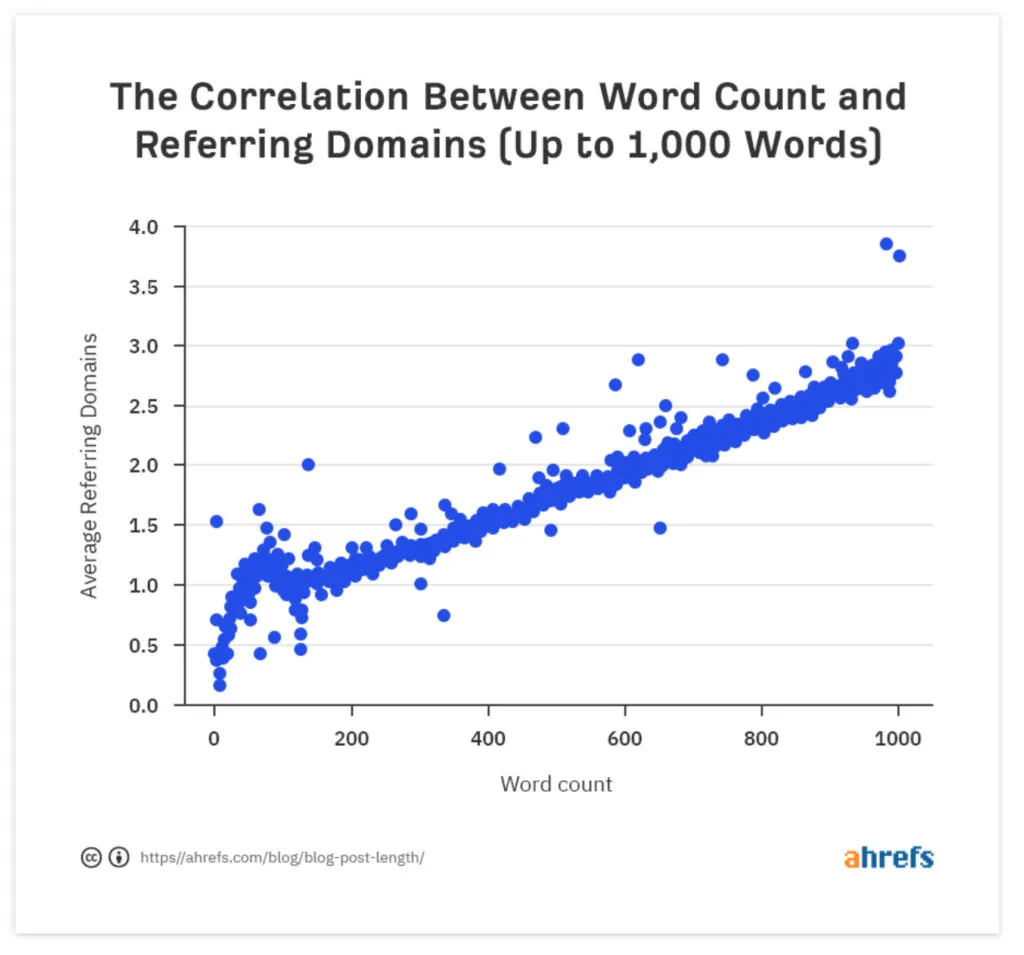
A defined word count helps the writer match the depth and competitiveness of similar content.
- Use SERP averages as a guide
- Allow a flexible range, not a fixed number
- Consider topic complexity and audience level
Example: Word Count Recommendation: 1,800–2,200 words
Example: Word count doesn’t make content rank relevance does.In practice:
– Writing 1,800–2,200 words doesn’t guarantee rankings
– Writing only what’s needed to fully answer user intent does
– Google rewards complete, useful coverage, not longer articles
So when you set: Word Count Recommendation: 1,800–2,200 words
7. Heading structure (H2/H3)
A structured heading outline gives writers a clear roadmap and ensures the content flows correctly.

Outline based on search intent + competitors
- Match what users expect when they search for the keyword
- Fill the missing gaps that top-ranking pages don’t cover
- Keep headings simple and scannable
Example H2/H3 structure:
-H2: What Is an SEO Content Brief?
-H2: Why an SEO Content Brief Matters
-H2: Key Elements (With Examples)
H3: Target Keyword Strategy
H3: Search Intent
H3: Audience Details
-H2: How to Create a Content Brief Step-by-Step
-H2: SEO Content Brief Template
8. Key topics to cover
This section highlights must-include ideas so the writer doesn’t miss anything essential.

Must-have points
- Clear definition of the topic
- Benefits and use cases
- Step-by-step breakdown
- Real-world example
Expert insights to include
- Practical tips used by SEO specialists
- How brands use briefs to scale content
- Mistakes and best practices
Example:
“Explain how adding competitor content gaps helps shape a stronger headline strategy.”
9. Competitor references
Writers need to know who already ranks so they can understand the content standard and identify gaps.

This is where competitive insights matter, and techniques such as content gap analysis help identify what top-ranking pages cover and what they miss.
Top 3 ranking URLs
- Add the best-performing pages (manually or using SEO tools)
- What they cover and what your content should improve upon
- Note strengths (depth, visuals, structure)
- Note weaknesses (missing examples, outdated stats)
- Highlight what your content must do better
Example:
Competitor A provides good definitions but lacks templates → Add downloadable or copy-ready templates.
10. Internal & external links
Internal pages for interlinking
These links help improve SEO, support user flow, and build topical authority.
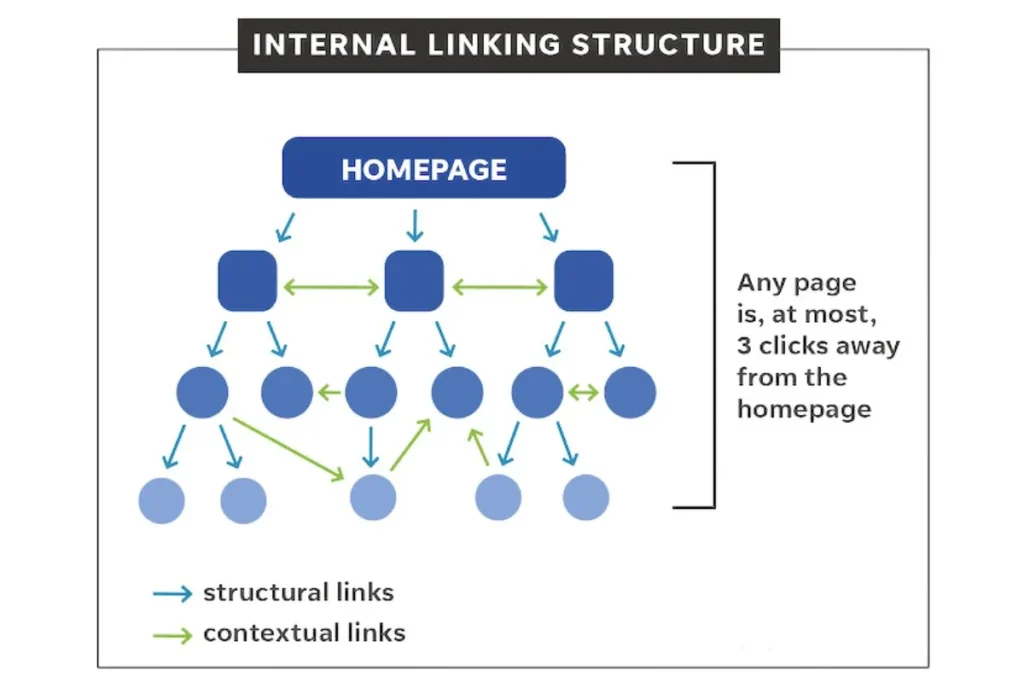
Example internal links:
– /seo-strategy-guide
– /keyword-research-tips
Trusted external sources
Use only reliable references when citing stats, definitions, or studies.
Examples:
– Google Search Central
– Industry reports (Ahrefs, Semrush, Backlinko)
11. Tone & style guidelines
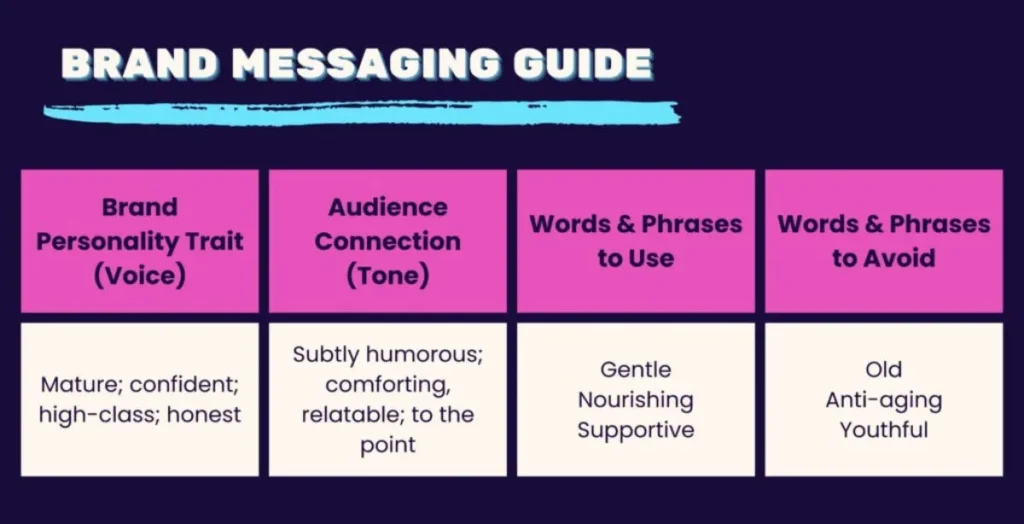
Tone determines how the content feels. This ensures writers stay aligned with brand expectations, which is why following a clear SaaS copywriting guide matters.
- Use simple language
- Keep paragraphs short
- Add bullets for clarity
- Use a friendly, helpful tone
- Avoid jargon unless needed
Example:
“Write in a conversational style similar to HubSpot, but simpler and more direct.”
12. Examples, stats, or case studies to include
These elements make content more credible and actionable.
- Add recent stats about SEO content performance
- Include a sample content brief table
- Add a mini case study showing how a brand improved rankings using briefs
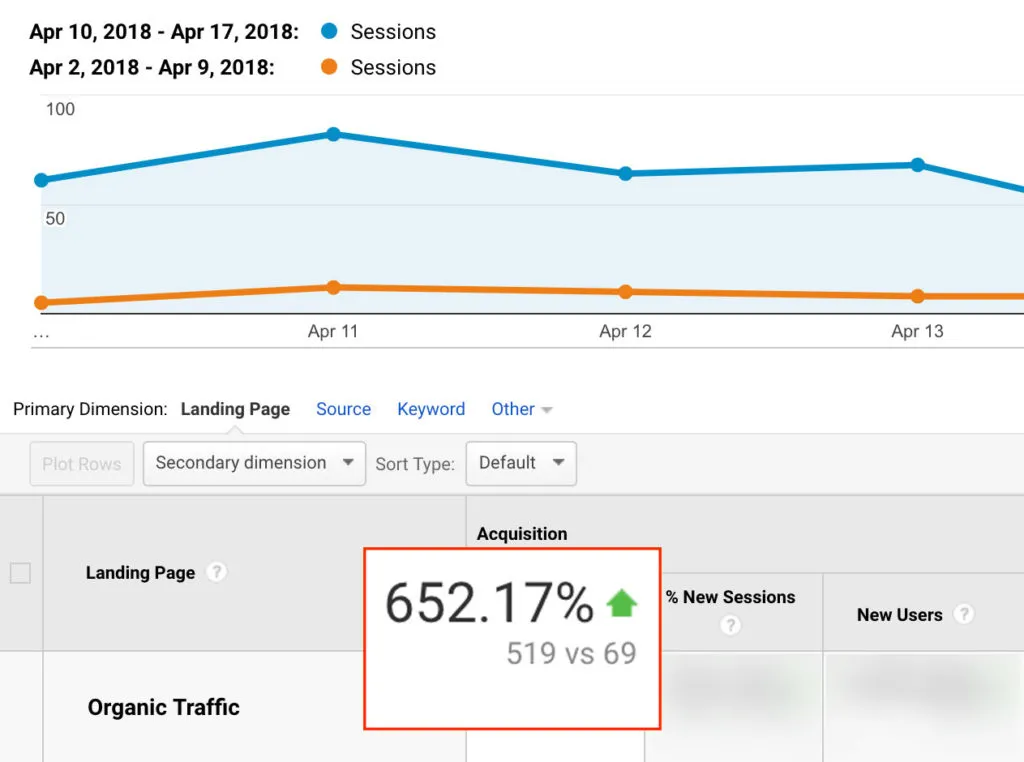
Example:
“A SaaS company saw 40% faster content approvals after using structured briefs.”
13. CTA (Call-to-action)
The CTA helps guide readers to the next step in their journey.
- Keep it short and clear
- Match it with the purpose of the article
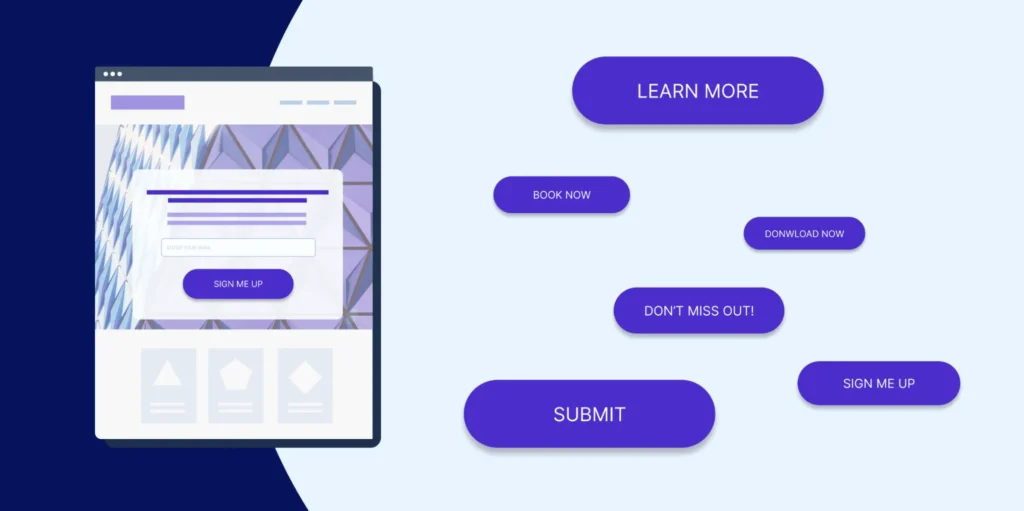
Examples:
– “Download the free SEO content brief template.”
– “Need help creating briefs? Contact our content team.”
– “Explore more SEO guides here.”
2 Effective SEO Content Brief Examples & Templates
Understanding the structure of a strong SEO content brief is easier when you see real examples.
Below are two practical SEO content brief examples, along with the template format behind them, so you can apply the same structure to your own content.
Example 1: SEO Content Brief Template for an Educational Blog Post
This type of brief works best for how-to guides, definitions, and informational SEO content.
Content brief example includes:
- Primary keyword: SEO content brief
- Secondary keywords: content brief checklist, SEO writing guidelines, how to structure a brief
- Search intent: Informational
- Target audience: Content writers, SEO managers, marketing teams
- Content goal: Explain what an SEO content brief is and how to create one
- Suggested structure (template format):
- H2: What Is an SEO Content Brief?
- H2: Why SEO Content Briefs Matter
- H2: Key Elements (With Examples)
- H2: Step-by-Step Checklist
- Internal links: SEO strategy and keyword research pages
- Tone: Clear, practical, beginner-friendly

Why this template works:
It gives writers a complete roadmap keywords, intent, structure, and tone so they can focus on clarity instead of figuring out what to include.
Example 2: SEO Content Brief Template for Comparison or Decision-Stage Content
This brief format is ideal for comparison posts, solution pages, and commercial-intent content.
Content brief example includes:
- Primary keyword: best SEO content brief tools
- Search intent: Transactional / Commercial
- Target audience: Marketing managers evaluating tools
- Content angle: Compare tools based on features, use cases, and limitations
- Required sections (template format):
- Tool overview
- Feature comparison
- Best use cases
- Pros and limitations
- Final recommendation
- CTA: Request a demo or explore pricing

Why this template works:
It aligns the content with buying intent. Instead of generic explanations, writers focus on comparisons, objections, and decision-making factors readers care about.
Final thoughts
A strong SEO content brief sets the foundation for better content, faster production, and higher ranking potential.
When writers know exactly what to cover, keywords, intent, structure, examples, and links, they can focus on creating meaningful, accurate, and search-friendly content without endless revisions.
This clarity not only improves workflow but also helps brands publish consistent, well-optimised articles that stand out in competitive search results.
If you need help creating SEO content briefs or want support with your content strategy, contact us, and we’ll guide you through every step.
A content brief is just one part of a larger content system. For the full strategy, explore our B2B SaaS Content Guide.
FAQ’s
What should be included in an SEO content brief?
An SEO content brief typically includes the primary keyword, secondary keywords, search intent, target audience details, heading structure, internal/external links, tone guidelines, and key points the content must cover. These elements help writers create content that matches user needs and ranks better.
How long should an SEO content brief be?
There’s no fixed length; most strong briefs are 1–2 pages. The goal is clarity, not complexity. The brief should give the writer enough direction to produce a well-structured first draft without overwhelming them with unnecessary details.
Why does search intent matter in a content brief?
Search intent tells you why people are searching. When a brief defines intent clearly (informational, transactional, navigational), the writer can shape the article to answer the right questions. Content that satisfies intent is far more likely to rank well.
Are SEO content briefs necessary for experienced writers?
Yes. Even skilled writers perform better when the strategy is clearly defined. A brief ensures alignment with SEO goals, reduces revision time, and keeps messaging consistent across the entire content program.
What’s the difference between an SEO content brief and a regular content brief?
A regular brief focuses on topic direction, tone, and audience. An SEO content brief adds keyword strategy, search intent, competitor insights, internal links, and ranking-focused structure, making it both reader-friendly and search-ready.